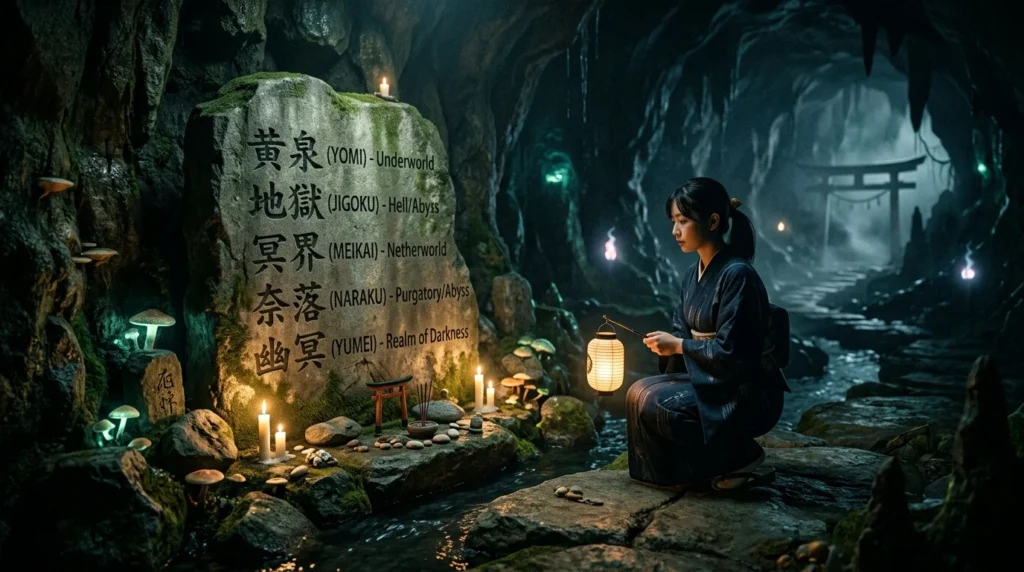
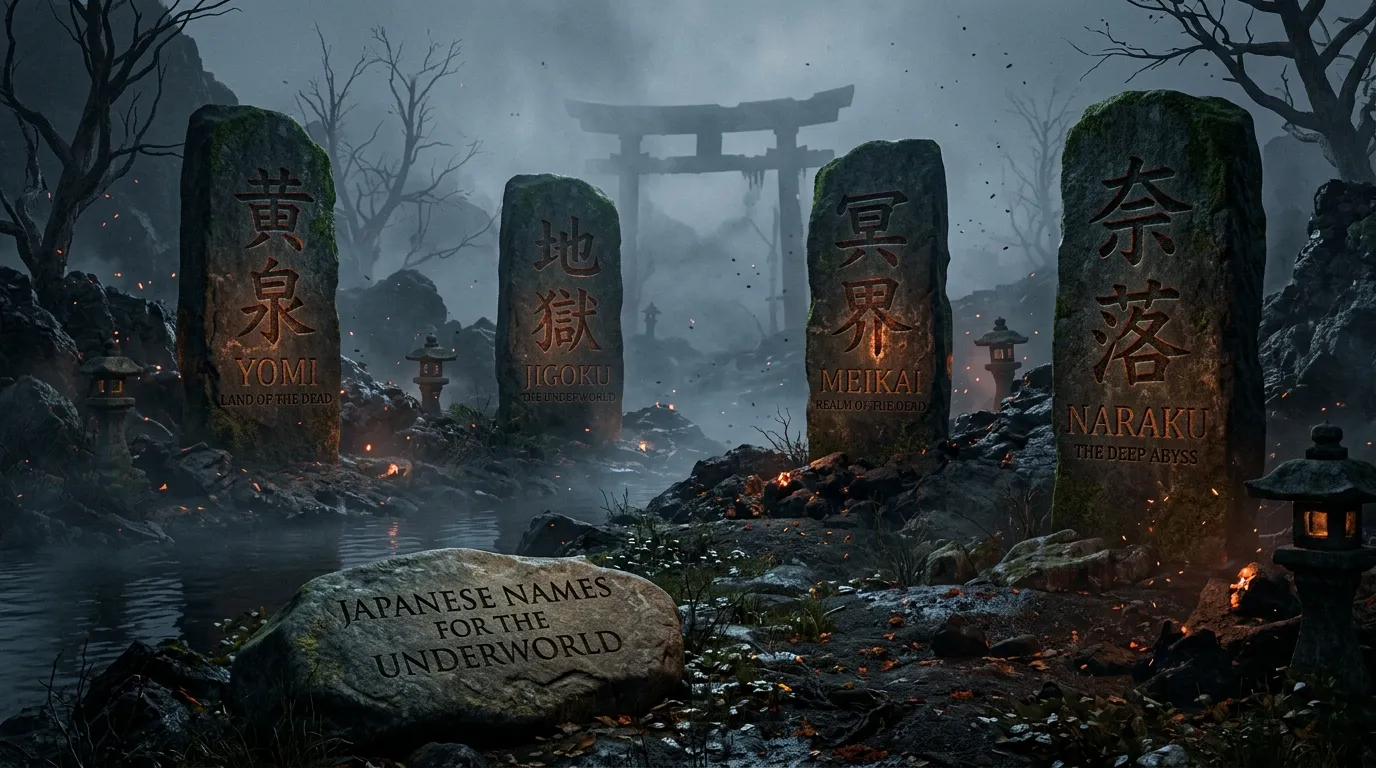
If you’re searching for Japanese names that mean underworld, you’re probably looking for names inspired by mystery, mythology, darkness, and the spiritual world. In Japanese folklore, the underworld is most closely associated with Yomi (黄泉)—the land of the dead described in ancient texts like the Kojiki and Nihon Shoki.
It’s important to note that very few authentic Japanese given names literally mean “underworld.” Instead, many names are inspired by concepts such as Yomi, shadow, darkness, night, spirits, the moon, the afterlife, and mystical realms. These names carry the atmosphere and symbolism of the underworld without directly translating to it.
Whether you’re naming a fictional character, creating a game avatar, or simply exploring Japanese mythology, this guide features authentic Japanese names and underworld-inspired options with meaningful origins.
Table of Contents
ToggleQuick Checklist Before Choosing a Japanese Underworld Name
- Verify the authentic Japanese meaning of the name.
- Consider whether you want a literal or symbolic connection to the underworld.
- Learn the kanji and its possible interpretations.
- Choose a name that’s easy to pronounce if used internationally.
- Respect the cultural and mythological significance of the name.
- Consider whether the name fits a modern person or a fictional character.
- Pick a name that matches the mood you’re trying to create.

🖤 Japanese Names With Dark Meanings for Girls
Yami (闇) — darkness
Kurai (暗い) — dark or gloomy
Kuro (黒) — black
Kage (影) — shadow
Yoru (夜) — night
Yoruha — a creative, night-inspired name
Shizuka (静) — quiet or calm, depending on kanji
Rei (霊) — spirit, when written with this kanji
Yūrei (幽霊) — ghost or spirit of the dead
Onryō (怨霊) — vengeful spirit
Yomi (黄泉) — underworld in Japanese mythology
Izanami (イザナミ) — goddess associated with the land of the dead
Kokuyō — dark, obsidian-inspired creative name
Kiri (霧) — mist or fog
Kasumi (霞) — haze or mist
Oboro (朧) — hazy or indistinct
Hotaru (蛍) — firefly
Tsukiko (月子) — moon child, with these kanji
Mikage (御影) — a name with several possible kanji interpretations
Mayonaka (真夜中) — midnight
🌑 Japanese Names That Mean Darkness or Death
Yami (闇) — darkness
Yoru (夜) — night
Kuro (黒) — black
Kage (影) — shadow
Yomi (黄泉) — underworld or land of the dead
Shinigami (死神) — death spirit
Shi (死) — death
Meido (冥土) — realm of the dead
Jigoku (地獄) — hell
Ankoku (暗黒) — darkness
Yūrei (幽霊) — ghost
Onryō (怨霊) — vengeful spirit
Bōrei (亡霊) — ghost of a dead person
Reikon (霊魂) — spirit or soul
Enma (閻魔) — judge of the dead in Japanese Buddhist tradition
Izanami (イザナミ) — deity associated with death and the underworld
Kiri (霧) — fog
Oboro (朧) — hazy or indistinct
Kurayami (暗闇) — darkness
Makai (魔界) — demon world or supernatural realm
Accuracy note: Many entries are Japanese words or mythological terms, not conventional personal names. Their meanings depend on the kanji and cultural context.
🕷️ Japanese Names With Dark Meanings for Boys
Yami (闇) — darkness
Kuro (黒) — black
Yoru (夜) — night
Kage (影) — shadow
Yomi (黄泉) — underworld
Enma (閻魔) — judge of the dead
Shinigami (死神) — death spirit
Rei (霊) — spirit
Reikon (霊魂) — spirit or soul
Ankoku (暗黒) — darkness
Kurayami (暗闇) — darkness
Makai (魔界) — demon world
Jigoku (地獄) — hell
Meido (冥土) — realm of the dead
Kokuyō — obsidian-inspired creative name
Oboro (朧) — hazy or indistinct
Kiri (霧) — fog
Tsukuyomi (月読) — Japanese moon deity
Izanagi (イザナギ) — creator deity in Japanese mythology
Susanoo (スサノオ) — Japanese deity associated with storms
⚰️ Japanese Names That Mean Underworld: Male
Yomi (黄泉) — the land of the dead
Enma (閻魔) — judge of the dead
Meido (冥土) — realm of the dead
Makai (魔界) — demon world
Jigoku (地獄) — hell
Shinigami (死神) — death spirit
Izanagi (イザナギ) — creator deity connected to the myth of Yomi
Tsukuyomi (月読) — moon deity
Yūrei (幽霊) — ghost
Bōrei (亡霊) — spirit of a dead person
Reikon (霊魂) — soul or spirit
Onryō (怨霊) — vengeful spirit
Kage (影) — shadow
Yami (闇) — darkness
Ankoku (暗黒) — darkness
Kurayami (暗闇) — deep darkness
Kuro (黒) — black
Yoru (夜) — night
Oboro (朧) — hazy or indistinct
Izanami (イザナミ) — underworld-associated deity
🌘 Japanese Names That Mean Underworld for Girls
Yomi (黄泉) — land of the dead
Izanami (イザナミ) — goddess associated with the underworld
Enma (閻魔) — judge of the dead
Yami (闇) — darkness
Yoru (夜) — night
Kage (影) — shadow
Kuro (黒) — black
Rei (霊) — spirit
Yūrei (幽霊) — ghost
Onryō (怨霊) — vengeful spirit
Bōrei (亡霊) — ghost of the dead
Reikon (霊魂) — spirit or soul
Makai (魔界) — demon world
Meido (冥土) — realm of the dead
Jigoku (地獄) — hell
Ankoku (暗黒) — darkness
Kurayami (暗闇) — deep darkness
Kiri (霧) — fog
Oboro (朧) — hazy or indistinct
Tsukiko (月子) — moon child, when written with these kanji
👦 Japanese Names That Mean Underworld: Boy
Yomi (黄泉) — land of the dead
Enma (閻魔) — judge of the dead
Makai (魔界) — demon world
Meido (冥土) — realm of the dead
Jigoku (地獄) — hell
Shinigami (死神) — death spirit
Yūrei (幽霊) — ghost
Bōrei (亡霊) — ghost of a dead person
Reikon (霊魂) — spirit or soul
Onryō (怨霊) — vengeful spirit
Izanagi (イザナギ) — creator deity in Japanese mythology
Tsukuyomi (月読) — moon deity
Susanoo (スサノオ) — storm deity
Yami (闇) — darkness
Kuro (黒) — black
Yoru (夜) — night
Kage (影) — shadow
Ankoku (暗黒) — darkness
Kurayami (暗闇) — deep darkness
Oboro (朧) — hazy or indistinct
💀 Japanese Names That Mean Death for Girls
Izanami — goddess associated with death and the underworld
Yomi (黄泉) — land of the dead
Shinigami (死神) — death spirit
Shi (死) — death
Enma (閻魔) — judge of the dead
Yūrei (幽霊) — ghost
Onryō (怨霊) — vengeful spirit
Bōrei (亡霊) — ghost of a dead person
Reikon (霊魂) — soul or spirit
Meido (冥土) — realm of the dead
Jigoku (地獄) — hell
Makai (魔界) — demon world
Yami (闇) — darkness
Kage (影) — shadow
Kuro (黒) — black
Yoru (夜) — night
Ankoku (暗黒) — darkness
Kurayami (暗闇) — deep darkness
Oboro (朧) — hazy or indistinct
Kiri (霧) — fog
🦇 Gothic Japanese Names for Boys
Yami (闇) — darkness
Yoru (夜) — night
Kuro (黒) — black
Kage (影) — shadow
Yomi (黄泉) — underworld
Enma (閻魔) — judge of the dead
Tsukuyomi (月読) — moon deity
Susanoo (スサノオ) — storm deity
Rei (霊) — spirit
Kiri (霧) — fog
Oboro (朧) — hazy or indistinct
Ankoku (暗黒) — darkness
Kurayami (暗闇) — deep darkness
Makai (魔界) — demon world
Meido (冥土) — realm of the dead
Jigoku (地獄) — hell
Shinigami (死神) — death spirit
Onryō (怨霊) — vengeful spirit
Reikon (霊魂) — spirit or soul
Izanagi (イザナギ) — creator deity in Japanese mythology
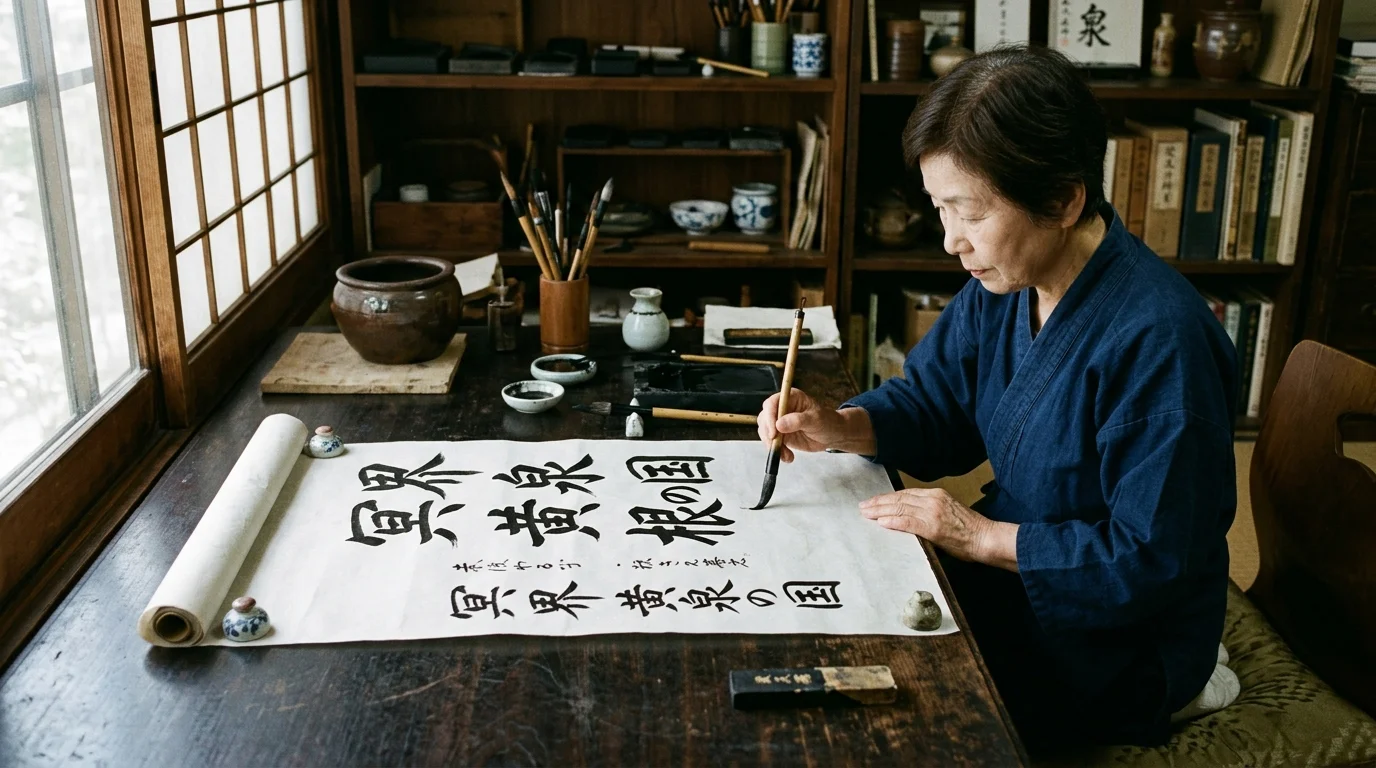
Japanese Names Inspired by Yomi (The Underworld)
Since Yomi itself is not commonly used as a personal name, these names evoke its atmosphere.
- Yomi (fictional use)
- Yomika
- Yomina
- Yomiko
- Yomiri
- Yomine
- Yomiya
- Yominae
- Yomari
- Yomitsu
- Yomikae
- Yomisa
- Yomirei
- Yominao
- Yomikoha
- Yomikaeha
- Yomiharu
- Yomisora
- Yomitsuki
- Yomiyuki
Note: Except for Yomi, the names above are creative Japanese-style constructions inspired by the concept of Yomi rather than traditional given names.
Authentic Japanese Names Associated with Darkness, Night, or the Spirit World
- Yoru (night)
- Yoruha
- Yozora (night sky)
- Tsukiko (moon child)
- Tsukika
- Tsukiyo (moonlit night)
- Rei (spirit, depending on kanji)
- Reika
- Reiko
- Kage (shadow; uncommon as a given name)
- Kageri
- Kurumi
- Kuron
- Mei (can use kanji associated with darkness or mystery)
- Akatsuki (dawn; often used in fiction)
- Ruka
- Rin
- Shion
- Sora
- Hotaru
These names don’t mean underworld, but they evoke the mysterious, spiritual atmosphere often associated with it.
Japanese Mythological Names Connected to the Underworld
These names come directly from Japanese mythology and are closely tied to Yomi and the afterlife.
- Izanami
- Izanagi
- Yomi
- Enma
- Shinigami
- Oni
- Kasha
- Gashadokuro
- Yūrei
- Ayakashi
- Mononoke
- Obake
- Hitodama
- Jigoku
- Raijin
- Fujin
- Ame-no-Uzume
- Susanoo
- Kagutsuchi
- Omoikane
Many of these are mythological beings or spiritual entities rather than personal names, making them ideal for stories, fantasy worlds, or role-playing characters.
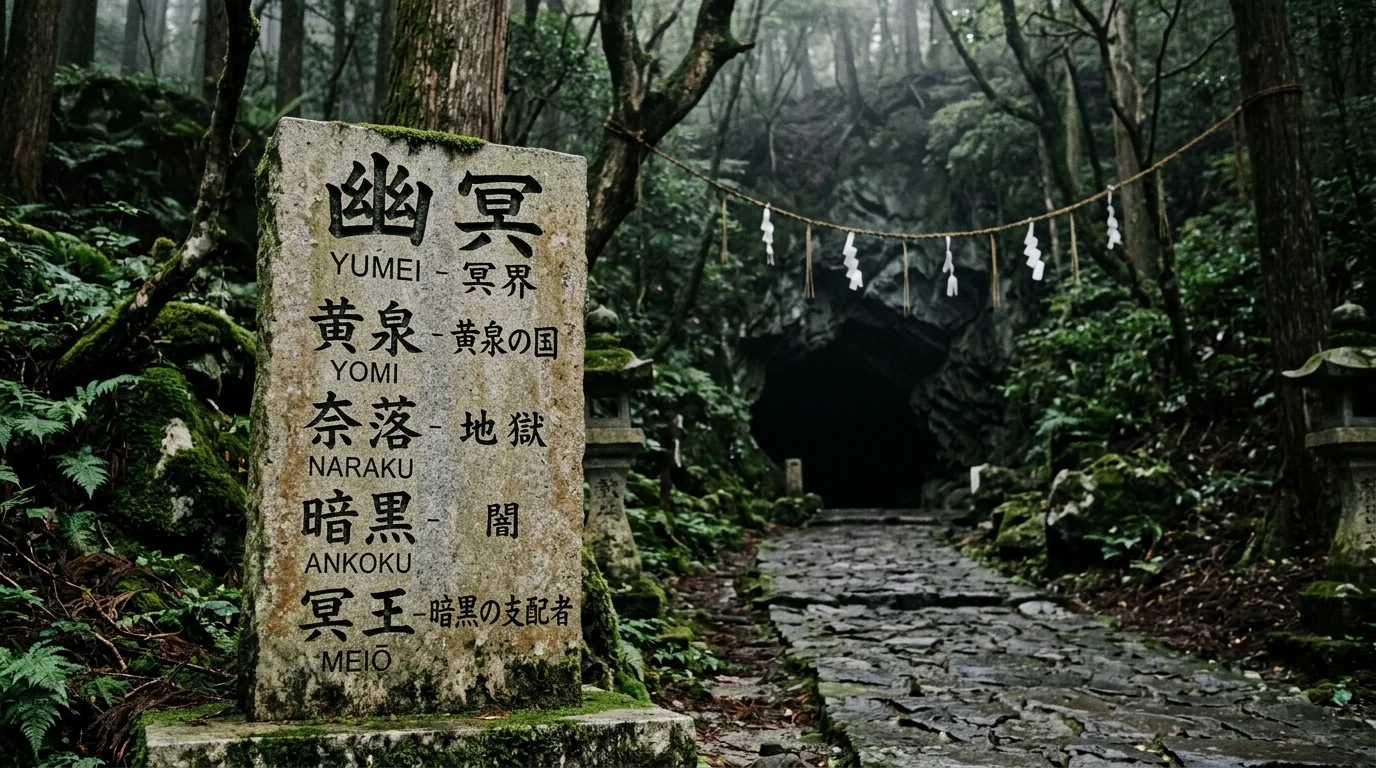
Rare Japanese Names Inspired by the Underworld
These names have a dark, mysterious aesthetic inspired by the underworld, shadows, or the night. Some are authentic Japanese names, while others are carefully crafted Japanese-style combinations.
Note: Names marked as Japanese-style are creative combinations rather than traditional given names.
- Yoruha — night leaf
- Yoruka — night fragrance
- Yorina — relying on the night
- Tsukirei — moon spirit (Japanese-style)
- Reiyu — spiritual gentleness (Japanese-style)
- Kurayuki — dark snow (Japanese-style)
- Kuroha — black feather
- Kuroka — black blossom
- Kagesora — shadow sky (Japanese-style)
- Kagehime — shadow princess (Japanese-style)
- Yamiko — child of darkness (Japanese-style)
- Yamika — darkness fragrance (Japanese-style)
- Reika — spirit flower
- Reina (玲奈 or 麗奈) — elegant; can evoke a mystical feel depending on kanji
- Nozomi — hope (often used for contrast in dark-themed fiction)
- Shizuka — quiet, calm
- Suzune — cool chime
- Kohaku — amber
- Kanade — melody
- Itsuki — tree
Japanese Names Associated with Shadows and Darkness
These authentic names or words are closely linked to darkness, making them suitable for an underworld-inspired theme.
- Kage (影) — shadow
- Kurai (暗い) — dark (adjective; not a common given name)
- Yami (闇) — darkness (word, rarely a personal name)
- Yoru (夜) — night
- Yozora (夜空) — night sky
- Tsukiyo (月夜) — moonlit night
- Kuro (黒) — black
- Kuroe
- Kuroha
- Kuroto
- Sumire
- Ruka
- Sakuya
- Shion
- Sora
- Ren
- Rei
- Haruka
- Mikoto
- Akira
Yokai and Spirit-Inspired Names
Japanese folklore is filled with supernatural beings connected to mystery and the spirit world.
- Enma
- Yūrei
- Ayakashi
- Mononoke
- Obake
- Kasha
- Shinigami
- Hitodama
- Oni
- Gashadokuro
- Kodama
- Tengu
- Kitsune
- Mujina
- Nurarihyon
- Rokurokubi
- Jorōgumo
- Yuki-onna
- Zashiki-warashi
- Bakekujira
These are mythological beings or spirits, not traditional human names, but they are popular inspirations for fictional characters.
Japanese Names Inspired by the Moon and the Afterlife
The moon is often associated with mystery, silence, and the spiritual realm in Japanese literature.
- Tsukiko
- Tsukika
- Tsukimi
- Mitsuki
- Mizuki
- Getsumei (Japanese-style)
- Getsuka (Japanese-style)
- Sora
- Hoshiko
- Hoshimi
- Akari
- Hotaru
- Koharu
- Nagisa
- Minori
- Aoi
- Fuyuka
- Haruna
- Natsuki
- Yuzuki
These names don’t mean underworld, but they beautifully capture the quiet, mystical atmosphere often associated with it.
Gothic Japanese Names
These names have a dramatic and mysterious feel, making them popular for dark fantasy themes.
- Akira
- Aoi
- Chihiro
- Haruka
- Kaede
- Kanna
- Kiyomi
- Misaki
- Rina
- Rin
- Satsuki
- Sayaka
- Setsuna
- Shiori
- Tomoe
- Tsubaki
- Yua
- Yuki
- Yuriko
- Yuzuki
How We Choose Japanese Underworld-Inspired Names
Because there are virtually no authentic Japanese given names that literally mean “underworld,” this guide includes names connected through:
- Yomi (黄泉), the Japanese underworld.
- Darkness, shadows, and night.
- Spirits and the supernatural.
- Japanese mythology and folklore.
- Lunar symbolism and mysterious imagery.
Each authentic name has a genuine Japanese origin or usage. Creative Japanese-style names are clearly identified to distinguish them from traditional given names.
Tips for Choosing a Japanese Name Inspired by the Underworld
Choosing a Japanese underworld-inspired name involves more than finding a dark-sounding word. Japanese names often depend on kanji, and the same pronunciation can have many different meanings.
- Prioritize authentic meanings. Look for names with genuine Japanese origins instead of relying on unverified online lists.
- Understand the kanji. The meaning of a Japanese name changes depending on the characters used to write it.
- Know the difference between words and names. Terms like Yami (darkness), Yomi (underworld), and Jigoku (hell) are Japanese words, not common personal names.
- Respect cultural context. Many names and mythological figures have deep religious or historical significance.
- Choose the right style. Decide whether you want a traditional Japanese name, a mythological figure, or a creative Japanese-inspired name for fiction.
- Keep pronunciation simple. If the name will be used internationally, choose one that’s easy to read and pronounce.
- Match the meaning to the character. For stories or games, select a name that reflects the character’s personality and role rather than simply sounding dark.
Common Mistakes to Avoid
Avoid these common mistakes when choosing a Japanese underworld-inspired name.
- Assuming every dark word is a given name. Many Japanese words describing darkness or the afterlife are not used as personal names.
- Confusing mythology with baby names. Figures like Izanami, Enma, or Shinigami are mythological or supernatural references, not typical modern given names.
- Ignoring kanji meanings. The same pronunciation may have completely different meanings depending on the kanji.
- Using anime names as historical evidence. Many anime and game names are fictional creations rather than traditional Japanese names.
- Mixing unrelated cultural concepts. Japanese mythology has its own unique traditions that differ from Western ideas of the underworld.
- Overlooking pronunciation. A beautiful meaning is even better when the name is easy to pronounce.
- Skipping reliable research. Check trusted Japanese dictionaries or naming references instead of relying solely on unsourced lists.
FAQs
Are there Japanese names that literally mean underworld?
No traditional Japanese given names literally mean “underworld.” The Japanese word Yomi (黄泉) refers to the land of the dead in mythology, but it is not commonly used as a personal name. Most underworld-inspired names are symbolic rather than literal.
What is Yomi in Japanese mythology?
Yomi (黄泉) is the realm of the dead in Japanese mythology, described in ancient works such as the Kojiki and Nihon Shoki. It is closely connected to the story of Izanami and Izanagi, making it one of the best-known locations in Japanese folklore.
Is Shinigami a Japanese name?
No. Shinigami (死神) literally means “death god” or “death spirit.” It is a mythological term used in folklore and modern fiction rather than a traditional personal name.
Which Japanese names have a dark or mysterious meaning?
Names such as Yoru, Yozora, Tsukiyo, Rei, Kuroha, Shion, Sakuya, Rin, Hotaru, and Mizuki are often chosen for their mysterious atmosphere. Their exact meanings depend on the kanji used.
What are the best Japanese mythological names related to the underworld?
Some of the strongest mythological choices include Izanami, Enma, Yomi, Kasha, Yūrei, Ayakashi, Mononoke, Gashadokuro, Hitodama, and Oni. Most of these are mythological beings, places, or spirits rather than personal names.
Are underworld-inspired Japanese names suitable for babies?
Traditional Japanese baby names usually emphasize positive meanings such as beauty, nature, hope, or virtue. Underworld-inspired names are more commonly used for fictional characters, novels, role-playing games, fantasy settings, or artistic projects than for real children.
What themes are associated with the Japanese underworld?
The Japanese underworld is commonly associated with mystery, death, remembrance, spirits, transformation, darkness, silence, the moon, and the boundary between the living and the dead. These themes inspire many fictional names even when they aren’t literal translations.
Conclusion
Japanese names inspired by the underworld offer a fascinating blend of mythology, spirituality, and mystery. While there are virtually no traditional Japanese given names that literally mean “underworld,” many authentic names and mythological references capture its atmosphere through connections to Yomi, night, shadows, spirits, and the moon.
Whether you’re inspired by legendary figures like Izanami and Enma, atmospheric names like Yoru, Yozora, and Tsukiyo, or creative Japanese-style names designed for fantasy worlds, each option carries a unique sense of depth and symbolism.
Take time to explore the meaning, kanji, and cultural background of every name before making your choice. A thoughtfully selected Japanese underworld-inspired name can add authenticity, mystery, and unforgettable character—whether it’s for a baby name search, a novel, a game, or a creative project.
