names that mean emptiness

260+ Best Names That Mean Emptiness Void, Nothingness & Quiet-Inspired Names 2026

If you’re searching for names that mean emptiness, you’re likely looking for a mysterious, philosophical, or symbolic name. These names are popular for fantasy characters, novels, games, spiritual themes, and creative projects.

One important fact: very few authentic names literally mean “emptiness.” Across most cultures, parents traditionally chose names with positive meanings, so names directly translating to void, nothingness, or emptiness are extremely rare.

Instead, this guide includes names connected with the void, nothingness, silence, solitude, darkness, the abyss, the unknown, and philosophical concepts of emptiness, especially from Buddhist, Japanese, Greek, and Norse traditions.
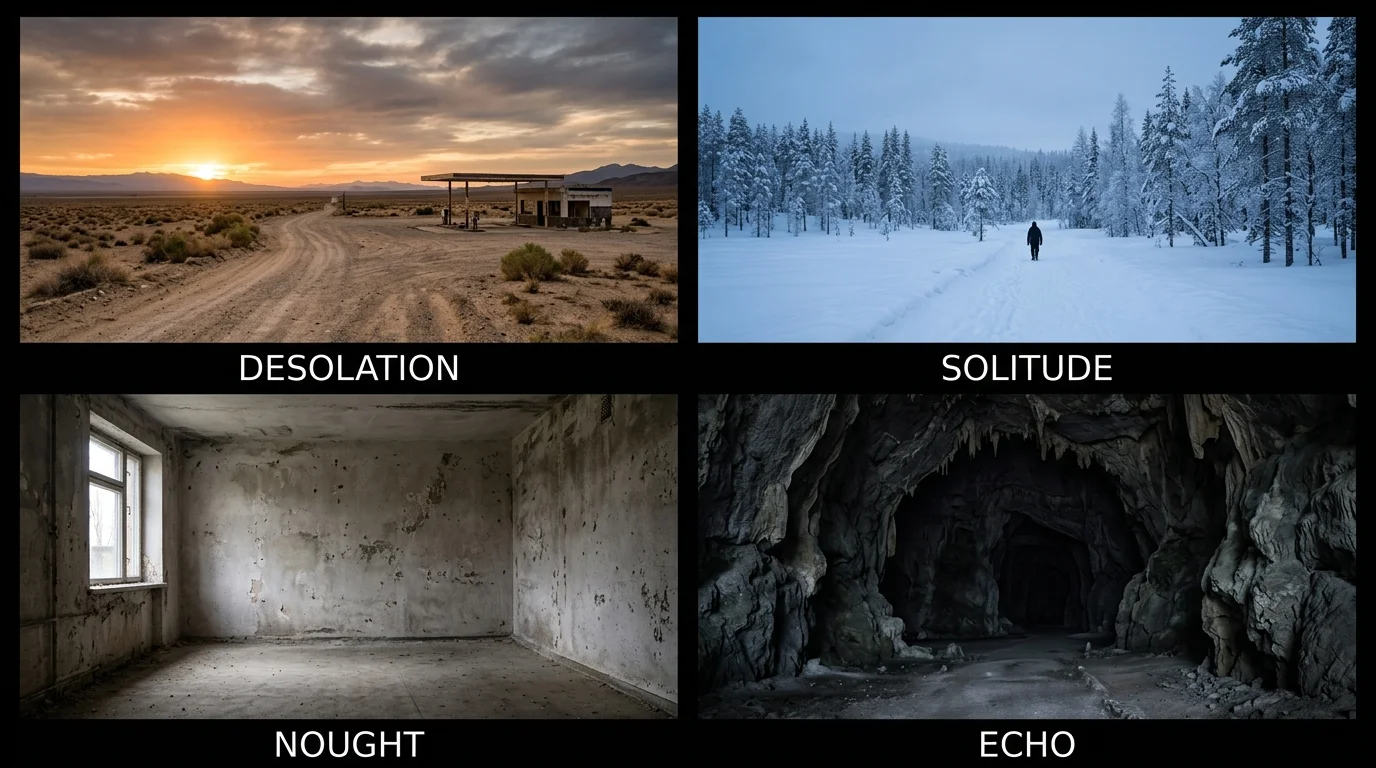
Names Associated with Emptiness or the Void

Names Associated with Emptiness or the Void

Since authentic names literally meaning emptiness are rare, these names are closely connected with the concept.

  • Kū (Japanese, “void” or “emptiness”)
  • Mu (Japanese, “nothingness”)
  • Sunya (Sanskrit, “emptiness” or “zero”)
  • Sunyata (Buddhist philosophy, “emptiness”)
  • Kenos (Greek root for “empty”)
  • Chaos (Greek primordial void)
  • Ginnungagap (Norse primordial void)
  • Abyss
  • Void
  • Null
  • Nihil
  • Erebus
  • Nyx
  • Aether
  • Yūgen
  • Kuon
  • Shizuka
  • Noctis
  • Umbra
  • Eclipse

These names evoke mystery, stillness, and the vast unknown rather than functioning as traditional personal names.

Boy Names Inspired by Emptiness

These masculine names symbolize solitude, mystery, silence, or the unknown.

  • Kū
  • Mu
  • Noctis
  • Erebus
  • Chaos
  • Orion
  • Zenith
  • Kael
  • Ren
  • Rei
  • Shin
  • Sora
  • Yoru
  • Kuro
  • Raiden
  • Isamu
  • Haru
  • Kage
  • Kuroto
  • Akira

These names carry symbolic associations with quiet strength, mystery, or vast open spaces rather than literal emptiness.

Girl Names Inspired by Emptiness

These feminine names are connected with silence, serenity, darkness, or spiritual emptiness.

  • Sunya
  • Sunyata
  • Nyx
  • Selene
  • Luna
  • Yūgen
  • Shizuka
  • Rei
  • Yoru
  • Sora
  • Hoshi
  • Aster
  • Noa
  • Kanna
  • Mizuki
  • Akari
  • Tsuki
  • Eira
  • Astra
  • Umbra

Many of these names evoke calmness, stillness, and quiet beauty rather than negative emptiness.

Unisex Names Inspired by Nothingness

These names work well for any gender and convey minimalism or mystery.

  • Mu
  • Kū
  • Rei
  • Sora
  • Yoru
  • Noa
  • Kai
  • Zen
  • Akira
  • Haru
  • Ren
  • Yuki
  • Shin
  • Kage
  • Aoi
  • Hikari
  • Riku
  • Nox
  • Echo
  • Sol

These names are especially popular in fantasy writing because they leave room for symbolism and interpretation.


Mythological Names Associated with the Void

Mythological Names Associated with the Void

Many ancient mythologies describe a primordial void or endless darkness before creation. While these names don’t literally mean “emptiness,” they are closely tied to the concept.

  • Chaos (Greek primordial void)
  • Erebus (Greek personification of darkness)
  • Nyx (Greek goddess of night)
  • Ginnungagap (Norse primordial void)
  • Niflheim (Norse realm of mist)
  • Hel (Norse underworld)
  • Tartarus (Greek abyss)
  • Khaos
  • Apep (Egyptian deity of chaos)
  • Tiamat (Mesopotamian primordial sea)
  • Abzu (Mesopotamian abyss)
  • Tehom (Hebrew deep)
  • Ankou (Breton folklore)
  • Moros (Greek doom)
  • Achlys (Greek spirit of misery and darkness)
  • Ereshkigal (Mesopotamian underworld queen)
  • Orcus (Roman underworld)
  • Pluto (Roman god of the underworld)
  • Hades (Greek ruler of the underworld)
  • Thanatos (Greek personification of death)

These mythological names represent darkness, the unknown, or the cosmic void, making them popular for fantasy and creative storytelling.

International Names Inspired by Emptiness or Stillness

Different cultures express the idea of emptiness through philosophy, silence, or infinite space rather than negative meanings.

  • Kū (Japanese)
  • Mu (Japanese)
  • Sunya (Sanskrit)
  • Sunyata (Buddhist philosophy)
  • Kenos (Greek)
  • Zen (Japanese)
  • Shizuka (Japanese, “quiet”)
  • Sora (Japanese, “sky”)
  • Yoru (Japanese, “night”)
  • Rei (Japanese, one possible meaning “spirit” depending on kanji)
  • Nox (Latin, “night”)
  • Umbra (Latin, “shadow”)
  • Nihil (Latin, “nothing”)
  • Vacuus (Latin, “empty”)
  • Shunya (Hindi/Sanskrit)
  • Akasha (Sanskrit, “ether” or “space”)
  • Kuon (Japanese, “eternity”)
  • Eira (Welsh, “snow”)
  • Sol (Latin, “sun”)
  • Echo (Greek)

Many of these names symbolize silence, open space, or philosophical emptiness rather than literal absence.

Rare Names with Void-Like Symbolism

If you’re looking for an unusual name with a mysterious atmosphere, these options stand out.

  • Khaos
  • Nihil
  • Umbra
  • Noctis
  • Yūgen
  • Kuon
  • Kage
  • Vacuus
  • Akasha
  • Nox
  • Eclipse
  • Obsidian
  • Dusk
  • Hollow
  • Midnight
  • Phantom
  • Wraith
  • Nebula
  • Eclipsea
  • Aether

These names are especially suited to fantasy characters, science fiction, gothic fiction, and role-playing games.

How We Choose Emptiness-Themed Names

Every name in this guide was selected using reliable historical, linguistic, and cultural references.

Our process includes:

  • Researching authentic meanings across multiple cultures.
  • Including names linked to emptiness, void, silence, nothingness, space, and darkness.
  • Separating literal meanings from symbolic associations.
  • Including philosophical concepts where appropriate.
  • Avoiding unsupported or fabricated meanings.
  • Balancing traditional, mythological, modern, and fantasy-inspired options.
  • Clearly noting when a term is a philosophical concept rather than a traditional personal name.

Because authentic names literally meaning “emptiness” are extremely uncommon, this guide includes closely related concepts without overstating their meanings.

Tips for Choosing an Emptiness-Inspired Name

Choosing a symbolic name takes thoughtful consideration.

  • Verify the authentic meaning before making a final choice.
  • Understand the cultural or philosophical background.
  • Decide whether you prefer mystery, serenity, or darkness.
  • Consider pronunciation and spelling.
  • Match the name to its intended purpose.
  • Choose timeless symbolism over temporary trends.
  • Respect cultural traditions when borrowing names.
  • Pick a name that feels meaningful to you.

Common Mistakes to Avoid

Assuming Every Dark Name Means Emptiness

Many names associated with darkness actually mean night, shadow, or death, not emptiness.

Confusing Philosophy with Literal Meaning

Terms such as Sunyata represent a Buddhist philosophical concept rather than a traditional personal name.

Believing Unverified Name Lists

Many websites incorrectly claim names mean void or nothingness without reliable linguistic support.

Ignoring Cultural Context

Understanding where a name comes from helps preserve its original meaning and respectful use.

Choosing Fictional Terms as Traditional Names

Some popular fantasy names were invented for novels or games and are not historical personal names.

Focusing Only on Aesthetics

A name may sound mysterious but have an entirely different authentic meaning.

Overlooking Pronunciation

Simple, memorable names are often easier for others to understand and appreciate.

FAQs

Are there real names that literally mean emptiness?

Very few. Across most cultures, parents traditionally chose names with positive meanings. Instead, concepts such as Kū, Mu, Sunya, and Sunyata represent philosophical ideas of emptiness rather than common personal names.

What Japanese name means emptiness?

Kū (空) can mean empty, sky, or void, depending on context. Mu (無) means nothingness or absence. While both are meaningful concepts in Japanese philosophy, they are uncommon as traditional given names.

What Sanskrit name means emptiness?

Sunya and Sunyata are the best-known Sanskrit terms. Sunya means zero or empty, while Sunyata refers to the Buddhist concept of emptiness, emphasizing the absence of inherent existence rather than simple nothingness.

Which mythological names are connected to the void?

Notable examples include Chaos, Ginnungagap, Erebus, Nyx, Tartarus, Abzu, and Tehom. These figures or places represent primordial emptiness, darkness, or the unknown in different mythologies.

What names symbolize silence or stillness?

Names such as Shizuka, Zen, Sora, Kuon, Eira, and Echo are often associated with peace, quiet, contemplation, or open space rather than literal emptiness.

Are emptiness-themed names good for fictional characters?

Yes. They’re especially popular in fantasy, science fiction, gothic fiction, anime-inspired stories, and role-playing games because they evoke mystery, isolation, and cosmic symbolism.

What’s the difference between emptiness and the void?

Emptiness often refers to a philosophical or spiritual concept, especially in Buddhism, while the void typically describes an endless empty space or primordial nothingness in mythology, fantasy, and science fiction.

How do I choose an authentic emptiness-inspired name?

Start by deciding whether you’re looking for a literal meaning, a philosophical concept, or symbolic imagery. Then research the name’s origin, cultural significance, pronunciation, and historical usage. The best choice is one that aligns with your purpose while remaining respectful of its background.


Conclusion

Names inspired by emptiness reflect mystery, stillness, open space, and the unknown. While authentic names that literally mean “emptiness” are exceptionally rare, many meaningful names and concepts symbolize the void, silence, infinity, and philosophical tranquility.

Whether you’re drawn to the Japanese concept of Kū, the Buddhist idea of Sunyata, the Greek Chaos, or the Norse Ginnungagap, each carries a rich history and deep symbolic meaning.

Take time to explore the origins and cultural significance behind each name before making your choice. Whether you’re naming a fictional character, building a fantasy world, or simply exploring unique ideas, an emptiness-inspired name can convey depth, mystery, and timeless symbolism

Scroll to Top